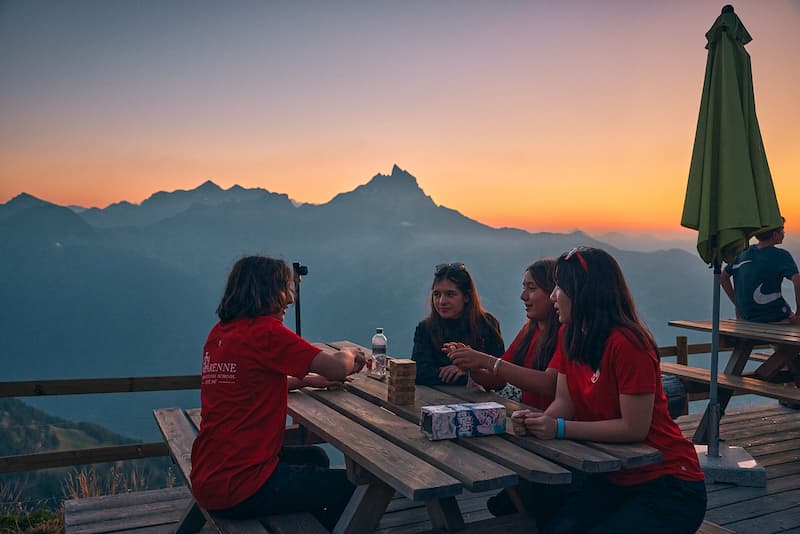
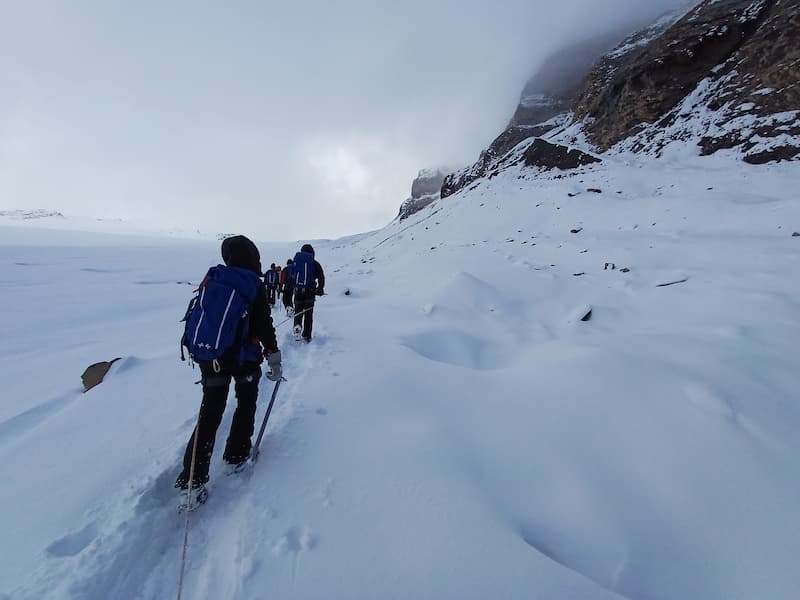
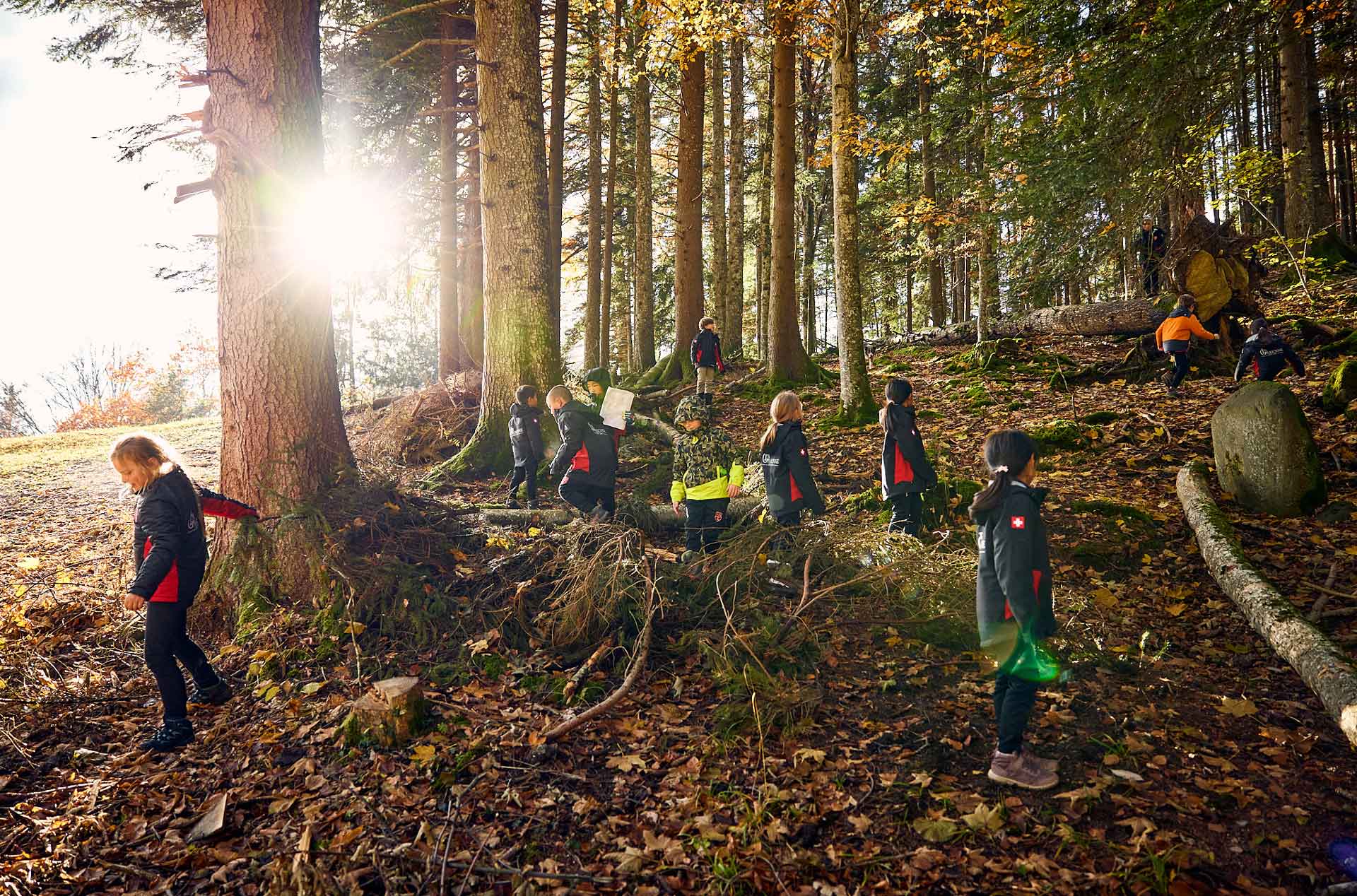
Outdoor activities and overnight expeditions take place every term across all year groups at La Garenne. Bringing the correct kit is an important part of staying safe and comfortable, while ensuring students are properly prepared for the experience ahead.
Choosing the Right Kit for the Season
The equipment required will vary depending on the expedition and the season. The clothing and gear needed for autumn and spring activities can be very different from those required in winter. Items marked with an asterisk (*) below are specifically required for winter expeditions.
Headgear
Sun hat
Sunglasses
Helmet*
Goggles*
Neck warmer*
Warm hat*
Clothing
Choose quick-drying materials such as synthetic fabrics or merino wool and avoid cotton.
T-shirt
Fleece
Shorts
Hiking trousers
Waterproof trousers
Change of clothes for the evening (jogging bottoms, sweatshirts and spare socks)
Pyjamas
Underwear
Swimming costume
Down jacket (provided by the school)
Waterproof jacket (provided by the school)
Thermal top*
Thermal bottoms*
Gloves*
Back protection*
Footwear
Hiking boots with high ankle support
Hiking socks
Sandals / flip-flops / crocs for the campsite or mountain hut.
Ski socks*
Snowboots*
Gear
Water bottle
Expedition backpack (provided by school)
Technical equipment (provided by school)
Personal items
Basic toiletries
Toothbrush and toothpaste
Towel
Sunscreen
Hand sanitiser
Top Tips for a Successful Expedition
Pack light. Take only the required items and avoid bringing unnecessary kit — remember, you will have to carry your backpack!
Break in new hiking boots before wearing them on an expedition or hiking trip.
Use the layering system to regulate your temperature and stay dry as the weather and your activity levels change. Rather than relying on one thick jacket, wear several thinner layers, each with a specific purpose:
Base layer = next to the skin
Mid layer = insulation
Outer layer = protective shell
Act when you need to. Take a moment to do what is necessary, even when it feels inconvenient. This might mean stopping during a hike to take your warm hat and fleece out of your backpack, or leaving the tent at night to use the toilet even when it is raining.
Being Prepared Matters More Than Having the Latest Gear
Expedition kit is not about having the most expensive or fashionable equipment. It is about being well organised, choosing the right gear for the conditions and approaching each experience with a positive and adaptable mindset.
Key Takeaways
Outdoor activities at La Garenne require proper and season-specific kit to ensure safety and comfort.
Students need headgear, clothing, footwear, gear, and personal items tailored for seasonal expeditions.
Top tips include packing light, breaking in new hiking boots, using a layering system, and being proactive in adjusting gear as needed.
Being prepared is more important than having the latest gear; organization and the right mindset matter most.
Preparing for Outdoor Adventures at La Garenne Outdoor activities and overnight expeditions take place every term across all year groups at La Garenne. Bringing the correct kit is an important part of staying safe and comfortable, while… Read more: What to Bring on an Expedition?
Learning and teaching mathematics is not an easy task. No matter where you are in the world, mathematics can challenge students, teachers, and families alike. Teaching mathematics is rewarding everywhere, but in an international school setting, there… Read more: Why Conceptual Understanding Matters in the Mathematics Classroom
Rethinking What Success Looks Like in Education. As educators, we are naturally pleased when students achieve strong academic results. At La Garenne, our recent IB Diploma cohort achieved an average of 36 points and a 100% pass… Read more: Progress Before Attainment
The lifelong benefits of reading for teenagers in school and beyond. In an age dominated by screens, short-form content and constant digital distraction, reading may appear to be losing ground among teenagers. Yet within leading international schools… Read more: Why Reading Matters
Understanding a Child’s Early Education Primary school is a vital stage in a child’s development. It is during these years that curiosity grows, confidence builds and the foundations for future learning are established. For families considering a… Read more: What Is Primary School?
What’s the Difference? Two Pathways, One Goal: Finding the Right Fit for Every Learner At La Garenne, education is not one-size-fits-all. Every student has different strengths, ambitions and ways of learning. For students aged 16 to 18,… Read more: IBDP vs High School Diploma
How Language Supports Learning, Well-being and Belonging In an international school setting, language is more than just a subject on the timetable. It is the foundation upon which learning, well-being, belonging, identity and connection are built. Language… Read more: The importance of language development
How Visual Arts Connect the Whole Curriculum Visual Arts is often viewed as a standalone creative subject, separate from core academic learning. At La Garenne, we see it differently. In our primary art room, students are not… Read more: Beyond the Canvas
What Families Should Ask When Choosing a School When parents navigate the web, they believe that choosing the right school comes down to academic results, facilities and pastoral care. It doesn’t. The real test begins after the… Read more: Tips for Choosing the Right School
How Creativity, Activity and Service Shapes Lifelong Learners Creativity, Activity and Service (CAS) is a compulsory component of the IB Diploma Program that encourages students to engage in genuine personal self-development through experiential learning both with individual… Read more: Who you become through what you do