Estimated reading time: 5 minutes
Creativity, Activity and Service (CAS) is a compulsory component of the IB Diploma Program that encourages students to engage in genuine personal self-development through experiential learning both with individual experiences and collaborative projects within the strands of creativity, activity and service.
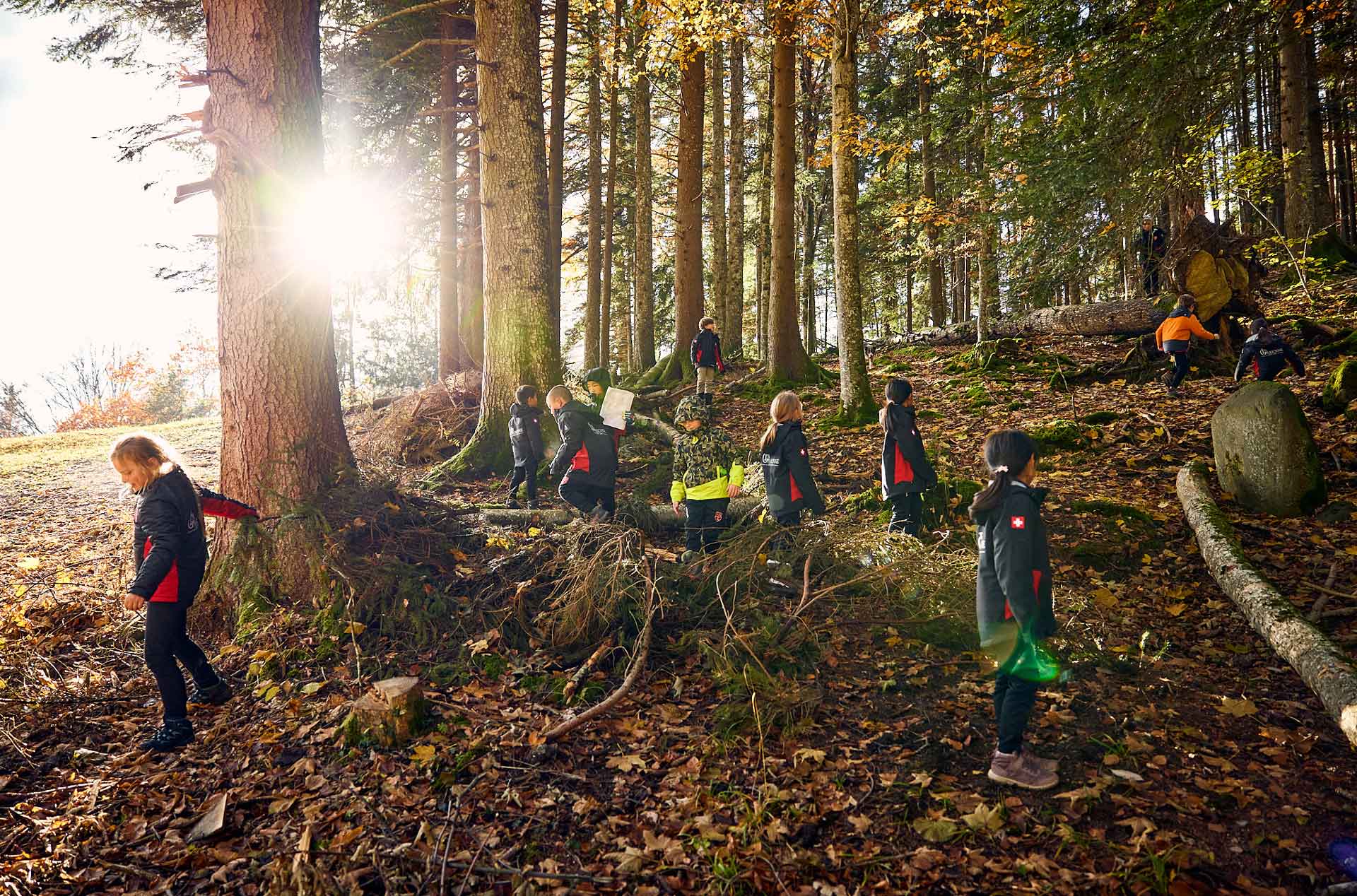
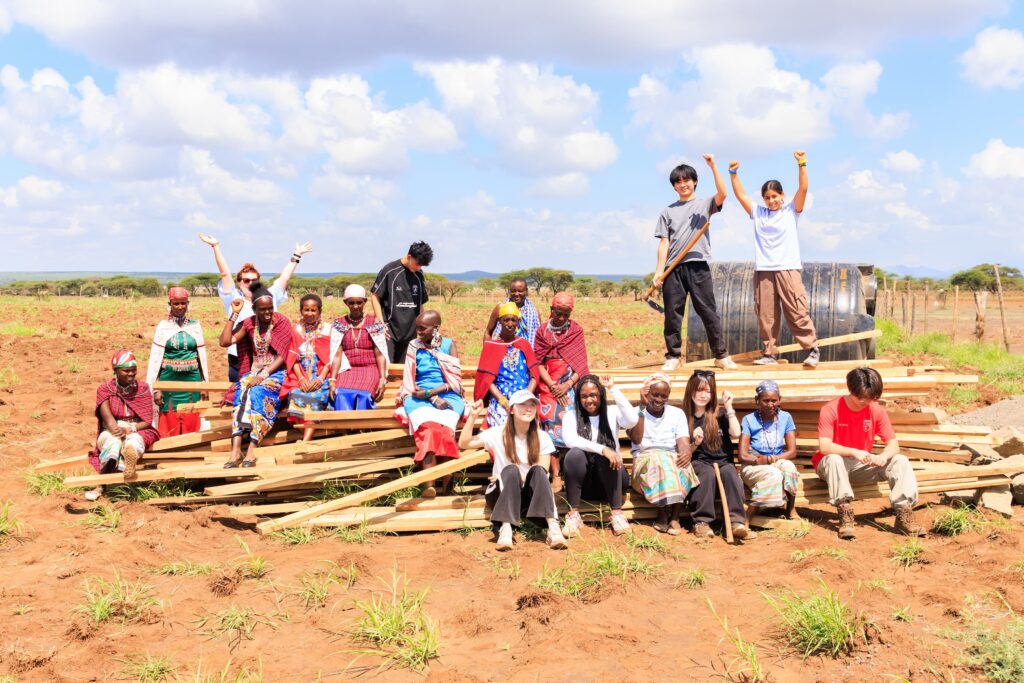
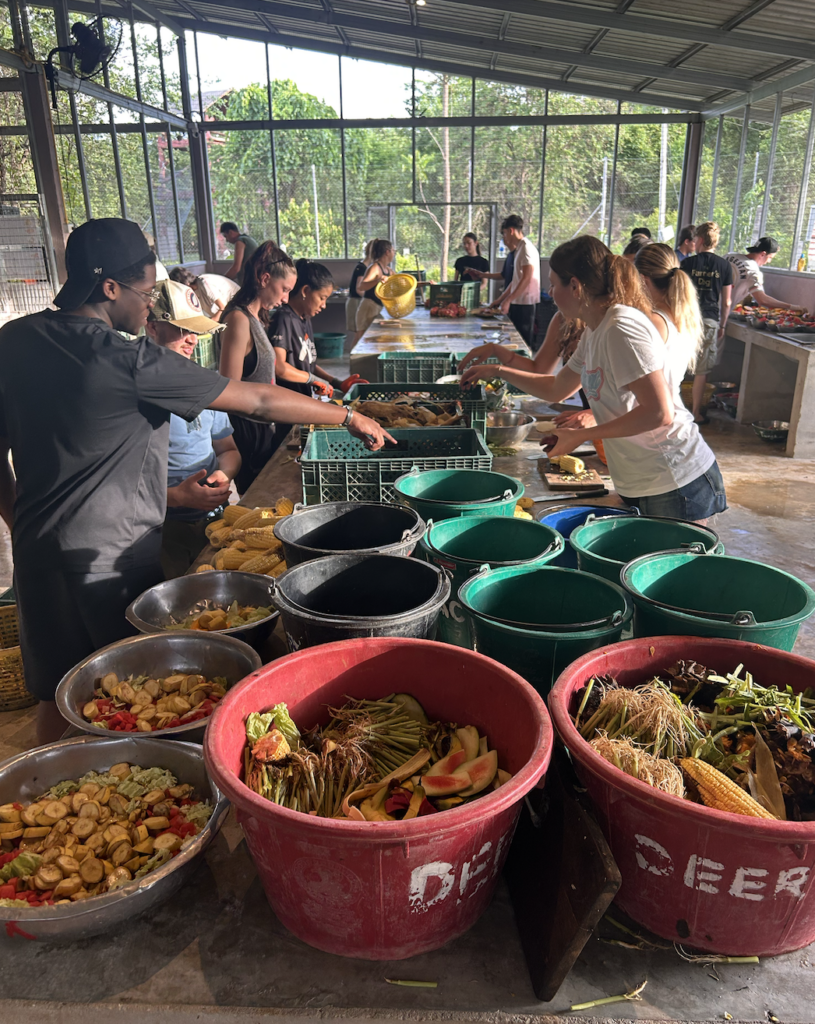
At La Garenne, we have built a strong culture of Creativity, Activity and Service where students consistently engage with meaningful experiences beyond the curriculum to help them build life-long skills. From regular school band performances, to weekly skiing, to annual service trips in locations such as Thailand and Kenya, students have plenty of opportunity to add depth to their learning and enrich their educational experience. More importantly, these experiences help to shape our students into global citizens who value social responsibility and have a clearer understanding of their own potential to make a difference in the world. This is something that we have seen with our own alumni but is also supported by studies on the long term impacts of the CAS program specifically (McIntosh, 2018). There are a great many successful business ideas that started off as CAS project ideas!
Although CAS is a fantastic opportunity for students to learn outside of the classroom, students and staff at La Garenne are also encouraged to embed CAS into the curriculum to help students deepen their understanding of their academic learning. Evidence from Jose et al. (2017) suggests that experiential learning improves knowledge construction and engagement as well as facilitating a deeper and more interconnected understanding of academic learning. To provide a limited range of examples; students will apply concepts learned in creative subjects such as the arts or languages to create inspiring products or performances. Students will combine their scientific knowledge with physical activity to investigate the human body in a more practical context. Students will apply their learning of social entrepreneurship from Business Management to engage with issues of global significance. Planning and initiating these experiences and projects allows students to engage with their learning on a much deeper level which not only improves retention of knowledge but increases engagement and enjoyment of the academic subject. The aim of embedding CAS into the curriculum is to encourage a love of learning and develop life-long learners who are not afraid to learn through adventure and failure.
The aspect of CAS that adds the most value to students is the process of reflection. Purposeful reflection is a difficult skill to master but the process of looking backwards and inwards in order to move forwards and upwards is a powerful one. Students are encouraged through Harvard Project Zero Thinking Routines to use their emotions as data to help them understand their own values systems so that they can take values-aligned actions in the future (David, 2022). Reflection is only a useful tool if it is structured, linked to goals and followed by action (Zhai et al., 2023) which is why our students set SMART targets as part of their experience or project proposal process, use thinking routines to structure their reflections and are encouraged to reflect during their ongoing experiences, not just at the end. Without purposeful reflection, CAS can just be a set of enjoyable co-curricular activities with short term benefits, however, we are aiming to develop life-long learners who take values-aligned actions and understand their own desires and ambitions. In order to achieve this, we teach students how to reflect purposefully and guide their reflections through our pastoral tutor program and CAS lessons.
To lead by example, we also have our Staff CAS program where staff will role model what active engagement and purposeful reflection look like through their own mini-portfolios which are shared with students at regular intervals through assemblies and various media platforms. It is incredible to see the diverse talents of our staff body and to exemplify that a love of learning new skills never ends. Students can see open and honest reflections from our staff members on a range of experiences which inspires them to take a similar approach to their CAS engagement.
It is this process of reflection that makes CAS at La Garenne much more than just a compulsory part of the IB Diploma Program, it is who you become through what you do.
References
David, S. (2022). Recognizing Your Emotions as Data, Not Directives. [online] Susan David. Available at: https://www.susandavid.com/newsletter/recognizing-your-emotions-as-data-not-directives/.
Jose, S., Patrick, P.G. and Moseley, C. (2017) ‘Experiential learning theory: The importance of outdoor classrooms in environmental education’, International Journal of Science Education, 39(5), pp. 613–627.
McIntosh, E. (2018) The enduring impact of Creativity, Activity, Service (CAS) in the IB Diploma Programme: the alumni study. Bethesda, MD: International Baccalaureate Organization.
Zhai, N., Huang, Y., Ma, X. and Chen, J. (2023) ‘Can reflective interventions improve students’ academic achievement? A meta-analysis’, Thinking Skills and Creativity, 49, p. 101373.