
Benefits, Philosophy & Why Families Choose It
Estimated reading time: 6 minutes
A boarding school is an educational institution where students live on campus while receiving their academic education, combining “room and board” with structured learning and personal development. In Switzerland, this model takes on a particularly distinctive character-rooted in safety, natural beauty, and educational excellence.
Why Switzerland?
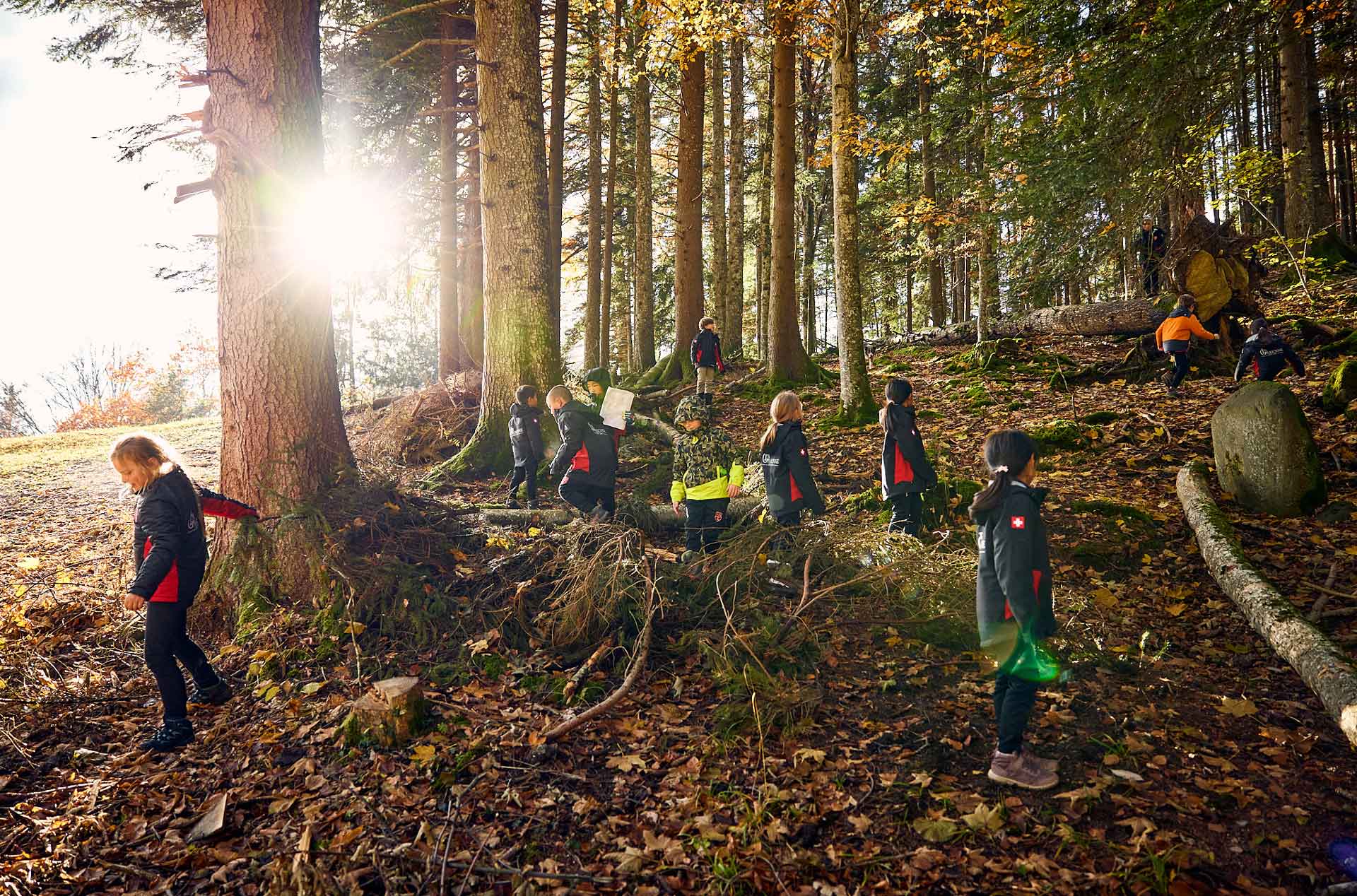
Switzerland is widely recognised as one of the safest countries in the world, offering families a reassuring environment in which children can grow and thrive. This sense of security is complemented by an exceptional natural setting. Nestled in the Alps, many Swiss boarding schools benefit from fresh air, open spaces, and immediate access to outdoor activities. Nature is not simply a backdrop-it becomes an integral part of the educational experience, encouraging balance, well-being, and resilience from an early age.
At its core, a boarding school is not simply a place where students study-it is a place where they live, learn, and grow together. The school becomes a community, structured yet nurturing, where each moment of the day contributes to a student’s development. Lessons take place in the classroom, but learning continues in the boarding house, on the sports field, during artistic activities, and through everyday interactions with peers and adults.
This philosophy echoes the thinking of Aristotle, who observed:
“Educating the mind without educating the heart is no education at all.”
Swiss boarding schools embody this principle by ensuring that intellectual development is always accompanied by emotional and social growth.
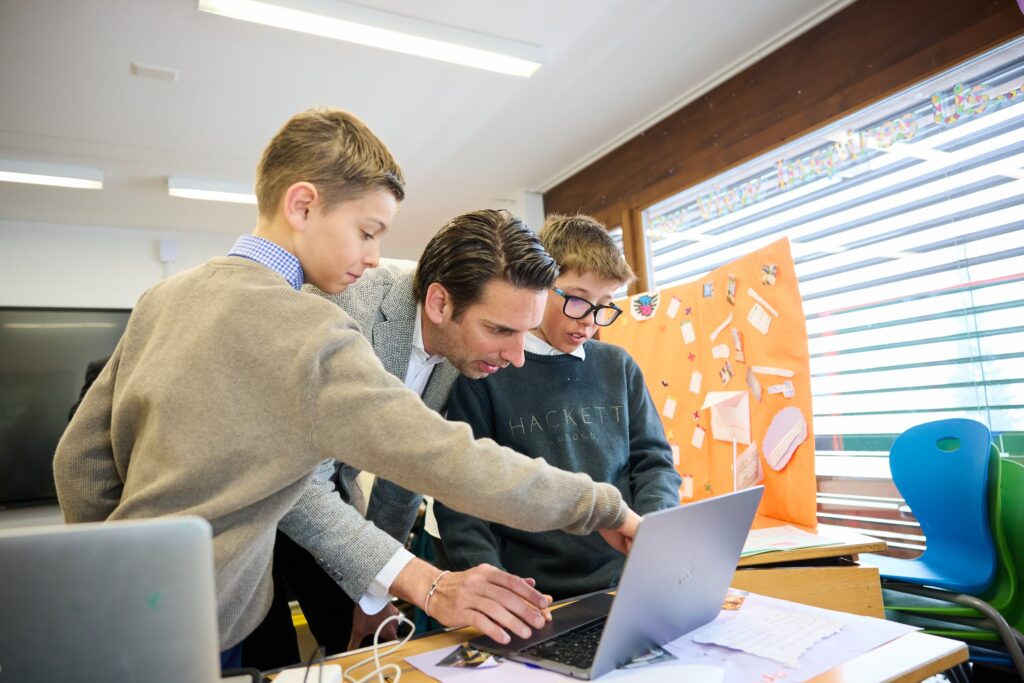
Switzerland has long held a reputation for excellence in education, and its boarding schools reflect this heritage. They welcome students from across the globe, creating truly international environments where multiple languages are spoken and cultural perspectives are shared daily. Academic programmes such as the International Baccalaureate or IGCSE are delivered within small classes, allowing for personalised attention and strong academic outcomes. Yet what truly distinguishes Swiss boarding schools is their setting and philosophy: a careful balance between academic rigour, personal care, and a healthy lifestyle.
Building Independence and Confidence
One of the most significant advantages of boarding education lies in the development of independence. Living away from home requires students to organise their time, take responsibility for their studies, and manage their daily routines. Over time, they gain confidence in their ability to make decisions and solve problems on their own. This gradual process of empowerment aligns closely with the ideas of the Swiss educator Johann Heinrich Pestalozzi, who believed:
“Education is not the filling of a bucket, but the lighting of a fire.”
Boarding schools create the conditions for this “fire” to ignite, encouraging curiosity, initiative, and self-discipline.
Academically, the structured nature of boarding life provides an environment particularly conducive to learning. With supervised study sessions, close access to teachers, and fewer distractions than in many day-school settings, students are able to focus deeply on their work. At the same time, education is never limited to academic achievement alone. A defining characteristic of boarding schools is their commitment to a holistic education, where intellectual, physical, and creative development are equally valued.
This broader vision is again reflected in Pestalozzi’s educational philosophy:
“Learning by head, hand, and heart.”
In practice, this means that students engage in sports, outdoor expeditions, artistic pursuits, and community service alongside their academic studies. Whether skiing in winter, participating in a theatre production, or collaborating on a service project, students are constantly discovering new interests and developing a well-rounded sense of self.
A Truly International Education
Another essential aspect of boarding school life is the international community it fosters. Students live alongside peers from a wide range of cultural backgrounds, learning not only tolerance but genuine understanding. These daily interactions cultivate open-mindedness and adaptability-qualities that are increasingly important in today’s interconnected world. The friendships formed in such an environment are often deep and lasting, built through shared experiences that extend far beyond the classroom.

Preparing Students for the Future
Looking ahead, the value of such an education becomes even more evident. The future of education—whether in Europe or globally-is increasingly focused on adaptability, critical thinking, collaboration, and global awareness. Universities and employers alike are seeking individuals who can navigate complexity, communicate across cultures, and think independently. Boarding school students, having lived in diverse and structured environments, are particularly well prepared for these expectations.
Switzerland also offers a natural continuation of this educational journey through some of Europe’s most prestigious higher education institutions. Renowned universities such as EPFL, ETH Zurich, and EHL Hospitality Business School attract students from around the world and are recognised for their academic excellence and strong links to industry. For students educated in Swiss boarding schools, these institutions represent both a natural progression and an opportunity to remain within a familiar and high-quality academic environment.
The structure of daily life in a boarding school also plays a key role in students’ development. A typical day balances academic lessons, extracurricular activities, and dedicated study time, all within a supportive residential framework. Houseparents and staff provide guidance and care, ensuring that students feel both secure and encouraged to grow. Over time, this rhythm helps students develop strong habits, from time management to personal organisation.
For many families, choosing a boarding school is therefore not simply an educational decision but a broader life choice. It reflects a desire to provide a child with a stable, enriching environment that nurtures both academic success and personal development. While the transition to boarding life can require adjustment, the long-term benefits are widely recognised: increased independence, greater self-confidence, and a strong foundation for university and future careers.
In this sense, a Swiss boarding school offers far more than an education-it offers a transformative experience. By combining rigorous academics with a holistic approach, a safe environment, and an international outlook, it prepares students not only for examinations, but for the challenges and opportunities of the future-anywhere in the world.
This article was created with the help of AI.
Key Takeaways
- Swiss boarding schools combine rigorous academics with holistic education, emphasizing safety and personal development.
- Students live in a structured community, learning independence, resilience, and adaptability through diverse experiences.
- The educational philosophy prioritizes emotional and social growth alongside intellectual achievements.
- Graduates are well-prepared for global challenges, as they gain critical thinking and collaborative skills.
- Boarding schools offer a transformative experience that nurtures academic success and personal growth, guiding students toward future opportunities.