
Estimated reading time: 9 minutes
Preparing for Outdoor Adventures at La Garenne
Outdoor activities and overnight expeditions take place every term across all year groups at La Garenne. Bringing the correct kit is an important part of staying safe and comfortable, while ensuring students are properly prepared for the experience ahead. Preparing for an expedition is also an important part of the learning experience. Before setting out, students have an opportunity to think about what they will need, how they will organise their belongings and how their choices may affect their comfort during the journey. These small decisions encourage independence and personal responsibility, qualities that become increasingly valuable as young people grow.
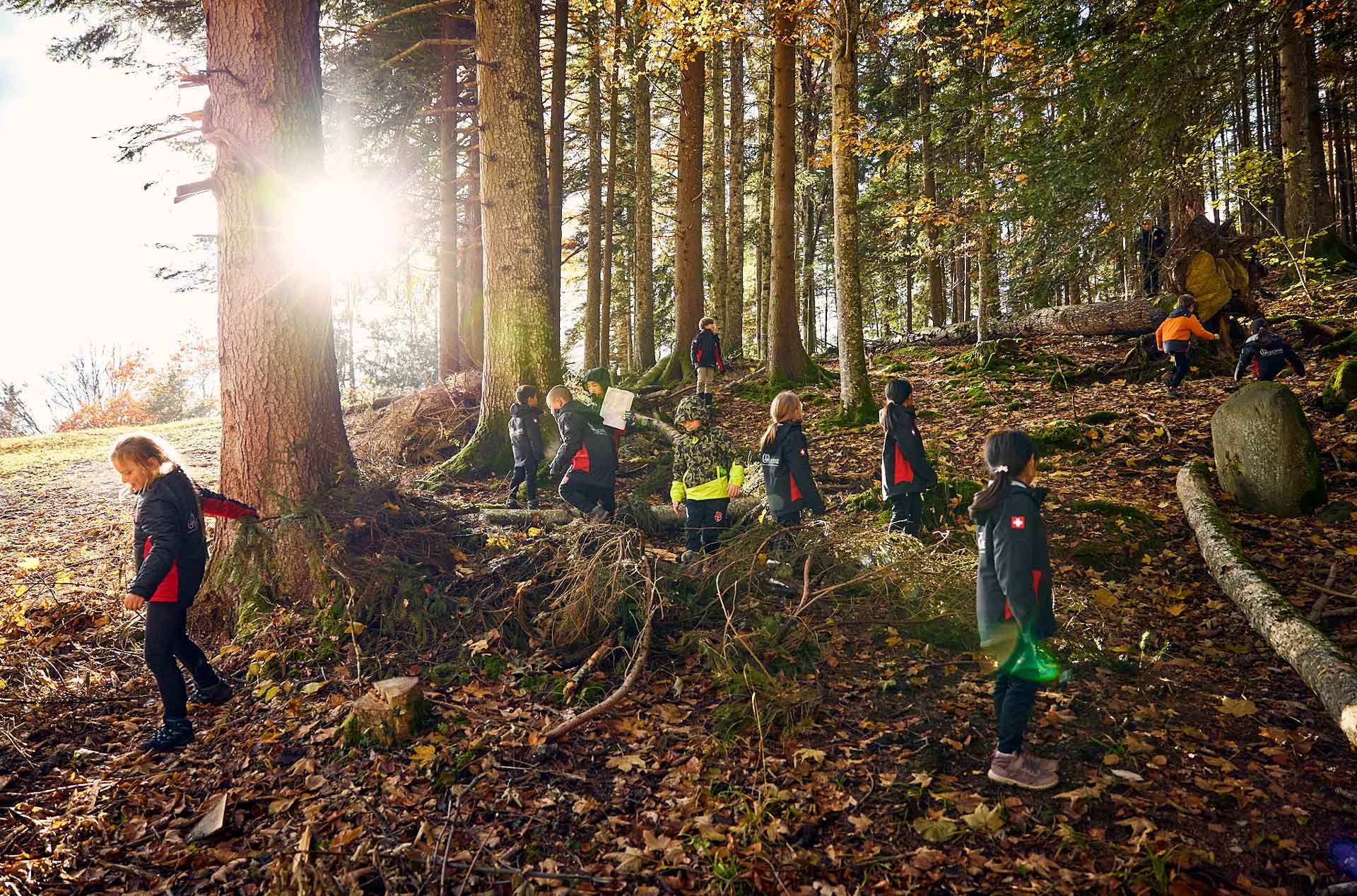
At our school, outdoor education complements classroom learning by giving students opportunities to apply practical skills in real situations. Our Alpine surroundings provide a distinctive environment in which children can explore nature, work together and develop confidence through appropriate challenges. Being well prepared allows them to focus more fully on the experience itself, from discovering unfamiliar landscapes to supporting their companions along the way.
Choosing the Right Kit for the Season
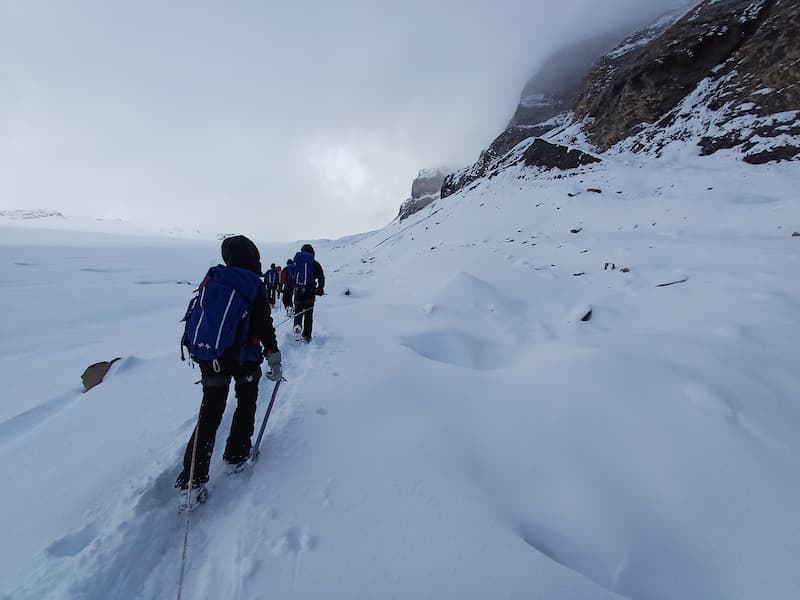
The equipment required will vary depending on the expedition and the season. The clothing and gear needed for autumn and spring activities can be very different from those required in winter. Items marked with an asterisk (*) below are specifically required for winter expeditions.
Conditions in the mountains can change significantly with the season, and the right clothing can make a considerable difference to a student’s experience. Understanding why particular items are needed is therefore just as useful as remembering to pack them. Waterproof layers help protect against wet weather, while suitable footwear supports comfortable movement on uneven terrain. In colder conditions, additional insulation and winter-specific equipment become especially important. Students should always follow the kit list and instructions provided for their particular expedition. The checklist below is a general guide, but the precise requirements may vary according to the activity, destination and conditions. If families are unsure about an item, checking with the expedition team in advance is preferable to making assumptions.
Headgear
- Sun hat
- Sunglasses
- Helmet*
- Goggles*
- Neck warmer*
- Warm hat*
Headgear is easy to overlook when packing, but it can play an important role in staying comfortable outdoors. A sun hat and sunglasses are useful in bright conditions, while the winter items listed above respond to different needs in colder weather and winter activities. Students should make sure that the equipment required for their expedition is ready before departure, rather than discovering at the last moment that something is missing.
Clothing
Choose quick-drying materials such as synthetic fabrics or merino wool and avoid cotton.
- T-shirt
- Fleece
- Shorts
- Hiking trousers
- Waterproof trousers
- Change of clothes for the evening (jogging bottoms, sweatshirts and spare socks)
- Pyjamas
- Underwear
- Swimming costume
- Down jacket (provided by the school)
- Waterproof jacket (provided by the school)
- Thermal top*
- Thermal bottoms*
- Gloves*
- Back protection*
Choosing clothing that can be layered makes it easier to adapt to changes in temperature and activity level. A student may feel warm while walking uphill but become cold during a break, particularly when clothing is damp. Having suitable layers available helps them respond to these changes without needing to unpack everything. The clothing checklist also includes items for the evening because an expedition does not end when the day’s activity finishes. Being able to change into dry, comfortable clothes can make time at a campsite or mountain hut more enjoyable. It is worth thinking about the entire experience, including rest periods and overnight stays, rather than packing only for the main activity.
Footwear
- Hiking boots with high ankle support
- Hiking socks
- Sandals / flip-flops / crocs for the campsite or mountain hut.
- Ski socks*
- Snowboots*
Well-fitting footwear is one of the most important parts of expedition preparation. Hiking boots should feel comfortable before the trip begins, and students should have an opportunity to wear them on shorter walks rather than using them for the first time during a longer expedition. This can help identify discomfort early and make the experience more enjoyable.
The separate footwear listed for campsites or mountain huts serves a different purpose. After spending time in hiking boots, students may appreciate having something comfortable to change into. Packing with these different parts of the day in mind is a useful way to develop practical planning skills.
Gear
- Water bottle
- Expedition backpack (provided by school)
- Technical equipment (provided by school)
The school provides expedition backpacks and technical equipment, as indicated above. This helps students focus on bringing the personal items they need while following the specific instructions for their activity. Families should avoid adding technical equipment that has not been requested, as unnecessary items can increase the weight of a backpack. Learning to organise a backpack is a useful skill in itself. Students benefit from knowing where their water bottle, waterproof clothing and other frequently needed items are stored. A carefully packed bag can make it easier to respond when conditions change and reduce the frustration of searching for something during a walk.
Personal items
- Basic toiletries
- Toothbrush and toothpaste
- Towel
- Sunscreen
- Hand sanitiser
Personal care remains important during an outdoor expedition. Packing basic toiletries and hygiene items helps students maintain familiar routines even when they are staying away from school. Sunscreen is particularly important to remember during outdoor activities, and a water bottle should be easy to access throughout the day.
A simple final check before departure can help prevent forgotten essentials. Students can work through the list one category at a time, confirming that each item is present and suitable for the planned activity. This is a practical opportunity to take responsibility for their own preparation, with guidance when needed.
Top Tips for a Successful Expedition
- Pack light. Take only the required items and avoid bringing unnecessary kit — remember, you will have to carry your backpack!
- Break in new hiking boots before wearing them on an expedition or hiking trip.
- Use the layering system to regulate your temperature and stay dry as the weather and your activity levels change. Rather than relying on one thick jacket, wear several thinner layers, each with a specific purpose:
- Base layer = next to the skin
- Mid layer = insulation
- Outer layer = protective shell
- Act when you need to. Take a moment to do what is necessary, even when it feels inconvenient. This might mean stopping during a hike to take your warm hat and fleece out of your backpack, or leaving the tent at night to use the toilet even when it is raining.
These practical habits are part of learning to become more self-reliant outdoors. Students gradually develop the ability to recognise when they need another layer, when an item should be kept accessible and when it is time to ask for guidance. The aim is not to expect children to manage every situation alone, but to help them build confidence in making sensible decisions within a supported environment. Packing light is another lesson in thoughtful decision-making. Bringing too many items may seem reassuring at first, but additional weight can make a long walk less comfortable. By distinguishing between essential equipment and unnecessary belongings, students learn to prioritise and prepare more effectively.
What Students Learn From Preparing for an Expedition
An expedition begins well before students arrive at the starting point. Checking equipment, understanding the itinerary and preparing for changing conditions all encourage young people to think ahead. These are valuable habits that can also support their organisation and independence in everyday school life. Outdoor experiences create opportunities for students to discover their strengths in different ways. One child may enjoy the physical challenge of a hike, while another may find satisfaction in navigating a new environment or encouraging a friend through a difficult moment. Recognising these individual contributions helps students understand that achievement is not limited to reaching a destination first.
There will also be moments when an expedition feels demanding. The weather may be uncomfortable, a walk may take longer than expected or a student may need to adjust to unfamiliar routines. With appropriate support, these experiences can help young people practise patience, adaptability and perseverance.
Learning to respond constructively to small challenges is an important part of developing resilience. Students begin to understand that feeling uncertain or tired does not necessarily mean they cannot continue. Equally, they learn the importance of communicating their needs and listening to the guidance of experienced adults. These lessons reflect La Garenne’s wider educational philosophy. We aim to provide opportunities for students to grow through meaningful experiences, balancing encouragement with challenges appropriate to their development. The confidence gained through outdoor education can contribute to the way young people approach unfamiliar situations in other areas of their lives.
Teamwork and Responsibility in the Outdoors
Although packing is an individual responsibility, an expedition is a shared experience. Students travel, explore and spend time together, learning that their actions can affect the comfort and enjoyment of the wider group. Being organised and prepared is one way of contributing positively to that experience. Teamwork often develops through simple moments. Students may encourage one another during a challenging walk, show consideration when sharing a space or help maintain a positive atmosphere when plans change. These everyday interactions provide opportunities to practise empathy, cooperation and respect.
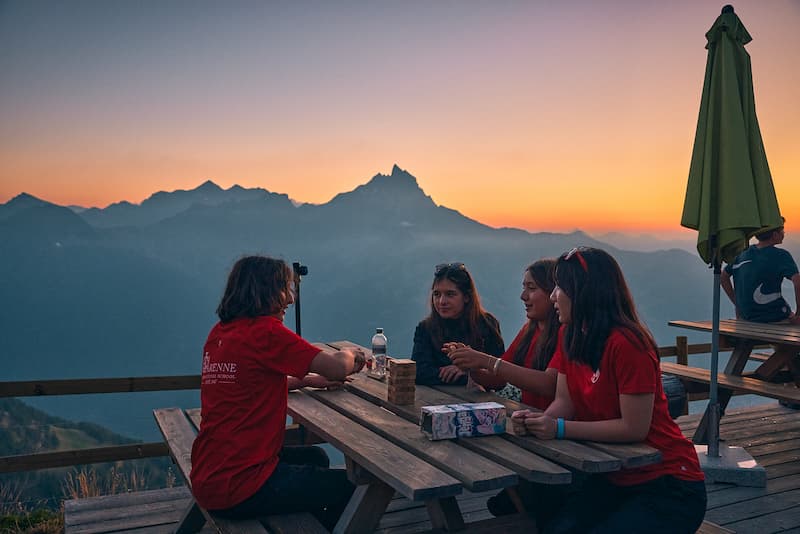
For an international school community, spending time together outside the classroom can strengthen relationships across different backgrounds and year groups. Shared experiences create memories and conversations that help students feel connected to one another. The natural environment also encourages a different kind of attention. Away from familiar classroom routines, students can observe their surroundings, appreciate the Alpine landscape and become more aware of how their choices affect the places they visit. Learning to treat outdoor environments responsibly is an important part of enjoying them.
Being Prepared Matters More Than Having the Latest Gear
Expedition kit is not about having the most expensive or fashionable equipment. It is about being well organised, choosing the right gear for the conditions and approaching each experience with a positive and adaptable mindset.
The most useful expedition kit is equipment that is appropriate, comfortable and understood by the person using it. Students do not need to focus on owning the newest products. They benefit far more from knowing how to dress for the conditions, organise their belongings and follow the guidance provided for their activity. This practical approach also helps families prepare with confidence. Reviewing the checklist together, identifying which items are already available and asking questions about anything unfamiliar can make the process more manageable. Good preparation is about making thoughtful choices, not collecting unnecessary equipment.
Our expeditions offer opportunities for students to develop independence while remaining part of a supportive community. From packing a backpack to adapting to the weather and working alongside others, each stage contributes to the experience. The right equipment helps make these moments possible, but the most lasting lessons often come from the confidence, responsibility and resilience students develop along the way.
Key Takeaways
- Outdoor activities at La Garenne require proper and season-specific kit to ensure safety and comfort.
- Students need headgear, clothing, footwear, gear, and personal items tailored for seasonal expeditions.
- Top tips include packing light, breaking in new hiking boots, using a layering system, and being proactive in adjusting gear as needed.
- Being prepared is more important than having the latest gear; organization and the right mindset matter most.