
The lifelong benefits of reading for teenagers in school and beyond.
Estimated reading time: 6 minutes
In an age dominated by screens, short-form content and constant digital distraction, reading may appear to be losing ground among teenagers. Yet within leading international schools such as La Garenne, reading remains one of the most powerful tools for academic success, personal development and global awareness. For adolescents navigating some of the most formative years of their lives, reading is not simply a skill; it is a gateway to deeper thinking, stronger identity and broader opportunity.
Reading as a Foundation for Academic Success
At its core, reading underpins learning across all subjects. Whether analysing a literary text, interpreting a case study in economics or understanding complex scientific concepts, students rely on strong reading skills to access the full academic curriculum. Teenagers who read regularly tend to develop a wider vocabulary, stronger comprehension skills and a greater ability to engage with abstract ideas. In international schools, where many students are learning in English as an additional language, reading plays an even more critical role. Exposure to written language accelerates fluency, reinforces grammar structures and builds the academic language needed for examinations such as IGCSEs and the International Baccalaureate. Simply put, confident readers are more confident learners.
Developing Critical Thinking and Independence
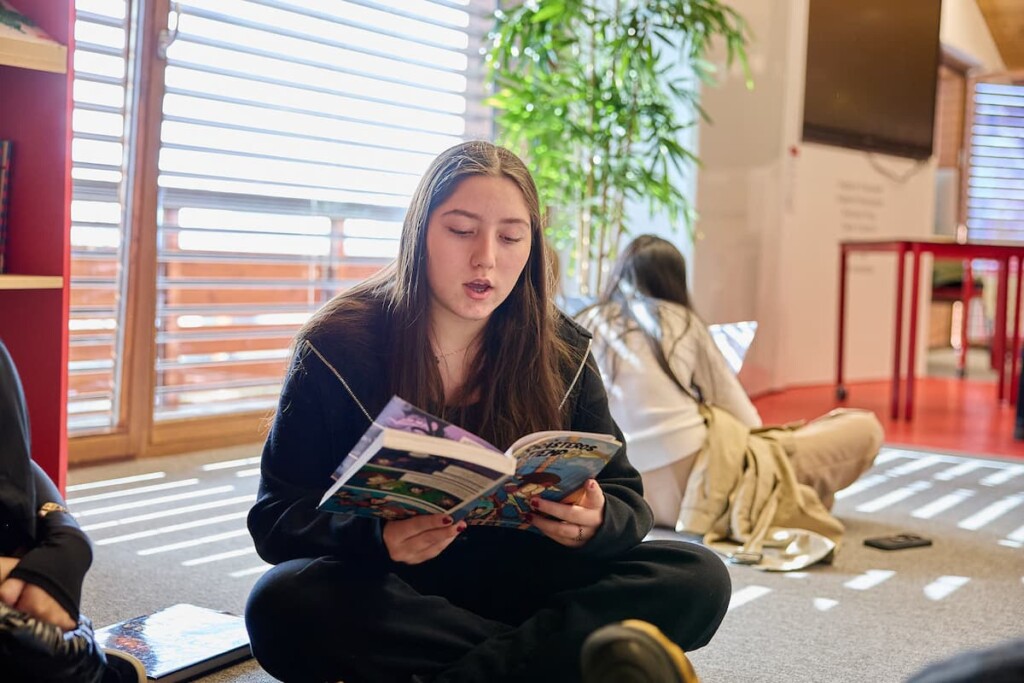
Beyond academic performance, reading cultivates one of the most important skills for modern life: critical thinking. Through reading, teenagers learn to question ideas, evaluate arguments and form their own opinions. They are exposed to different perspectives, challenged by unfamiliar viewpoints and encouraged to think beyond surface-level understanding. This process is essential in preparing young people for a rapidly changing world. The ability to analyse information, distinguish fact from opinion and engage thoughtfully with complex issues is increasingly valuable, not only in education but also in life beyond school. Reading also fosters independence. Unlike passive forms of entertainment, reading requires active engagement. Teenagers must interpret, imagine and reflect, developing concentration and mental discipline in the process. These habits carry over into all areas of learning.
Supporting Emotional Intelligence and Well-being
Adolescence is a period of significant emotional and social development. Reading can play a quiet but powerful role in supporting this journey. Through stories, teenagers encounter characters facing challenges, making decisions and experiencing emotions that may mirror their own lives. This exposure helps build empathy: the ability to understand and share the feelings of others. It also provides a safe space for teenagers to explore complex emotions, from identity and belonging to resilience and loss. In a boarding school environment, where students live away from home and navigate new social dynamics, this emotional support is particularly valuable. Reading offers both escape and reflection: a chance to step into another world while making sense of one’s own.
The Multilingual and Global Advantage
At an international school like La Garenne, reading also supports multilingual development and global awareness. Students come from diverse linguistic and cultural backgrounds, and reading exposes them to a wide range of voices, ideas and traditions. For students learning English, reading is one of the most effective ways to improve language proficiency. It provides context-rich exposure to vocabulary, idioms and sentence structures that are difficult to replicate through conversation alone. At the same time, encouraging students to read in their native languages helps maintain cultural identity and cognitive flexibility. The result is a truly global learner who is comfortable navigating multiple languages and perspectives.
Reading in the Digital Age
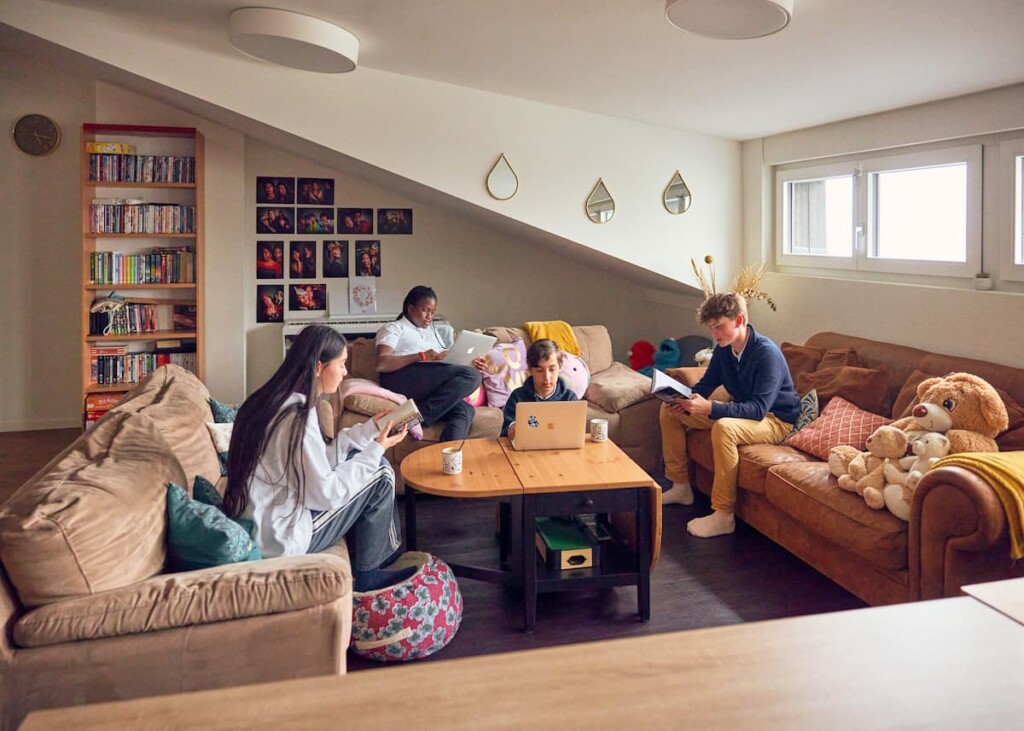
There is no denying that reading habits have changed. Social media, video content and instant messaging compete for attention, often reducing the time teenagers spend with books. The challenge for educators and parents is not to resist technology, but to strike a healthy balance. Digital platforms can, in fact, support reading when used effectively. E-books, audiobooks and online articles provide accessibility and variety, catering to different learning styles and preferences. The key is intentionality: ensuring that reading remains a regular and valued part of daily life. What matters most is not the format, but the engagement. Whether through a printed novel or a digital text, sustained reading develops focus, comprehension and imagination in ways that short-form content simply cannot.
Encouraging a Lifelong Habit
One of the greatest gifts educators can offer teenagers is a love of reading. This goes beyond assigning texts or preparing for exams. It involves creating a culture where reading is seen as enjoyable, relevant and rewarding. Choice plays a crucial role. Teenagers are far more likely to read when they can explore topics that interest them, from fiction and biography to science, business or current affairs. Providing access to diverse, high-quality materials helps students discover what resonates with them personally. Equally important is modelling. When teachers and parents demonstrate a genuine enthusiasm for reading, by discussing books, sharing recommendations and making time to read themselves, teenagers are more likely to follow.
Looking Ahead
The benefits of reading extend far beyond the classroom. Strong readers are often better communicators, more reflective thinkers and more adaptable individuals. They are equipped not only with knowledge, but also with the ability to continue learning throughout their lives. For teenagers at La Garenne, reading is more than an academic requirement; it is a pathway to opportunity. It supports their studies, strengthens their language skills and enriches their personal development. Most importantly, it prepares them for life in an interconnected, information-rich world. In nurturing strong reading habits, schools are not just improving exam results. They are shaping thoughtful, curious, culturally aware and capable individuals. In that sense, the importance of reading cannot be overstated: it is one of the most valuable investments in a young person’s future.
Key Takeaways
- Reading remains essential for academic success, helping students develop critical skills across subjects.
- It fosters critical thinking and independence, encouraging teenagers to engage actively with diverse perspectives.
- Reading supports emotional intelligence by allowing teens to explore complex feelings and build empathy through stories.
- In international schools, reading enhances multilingual development and global awareness, bridging cultural gaps and improving language proficiency.
- To cultivate a love for reading, educators should create an enjoyable culture around books and model enthusiasm, making reading a lifelong habit.