
Understanding a Child’s Early Education
Estimated reading time: 6 minutes
Primary school is a vital stage in a child’s development. It is during these years that curiosity grows, confidence builds and the foundations for future learning are established. For families considering a school such as La Garenne, understanding this phase helps highlight just how influential the early years of education can be.
What Is Primary School?
Primary school typically welcomes children aged 4 to 11 and represents the first stage of formal education. At La Garenne, this journey begins even earlier with a Pre-Reception class, offering younger children a gentle and supportive introduction to school life. During these years, students are introduced to core subjects such as reading, writing, mathematics and science within a structured yet nurturing environment. However, primary education extends far beyond academics. It provides a balanced experience in which children are encouraged to explore, ask questions and develop their individuality. At La Garenne, this stage is also distinctly international, blending academic rigour with cultural awareness, outdoor learning and personal development.
Educational theorists have long emphasised the importance of this stage. Jean Piaget described children in this age range as entering the “concrete operational stage”, during which they begin to think logically about real-world situations. This is why effective primary classrooms focus on hands-on learning, collaboration and meaningful experiences rather than rote memorisation.
Key Benefits of Primary School Education
Development of Core Academic Skills
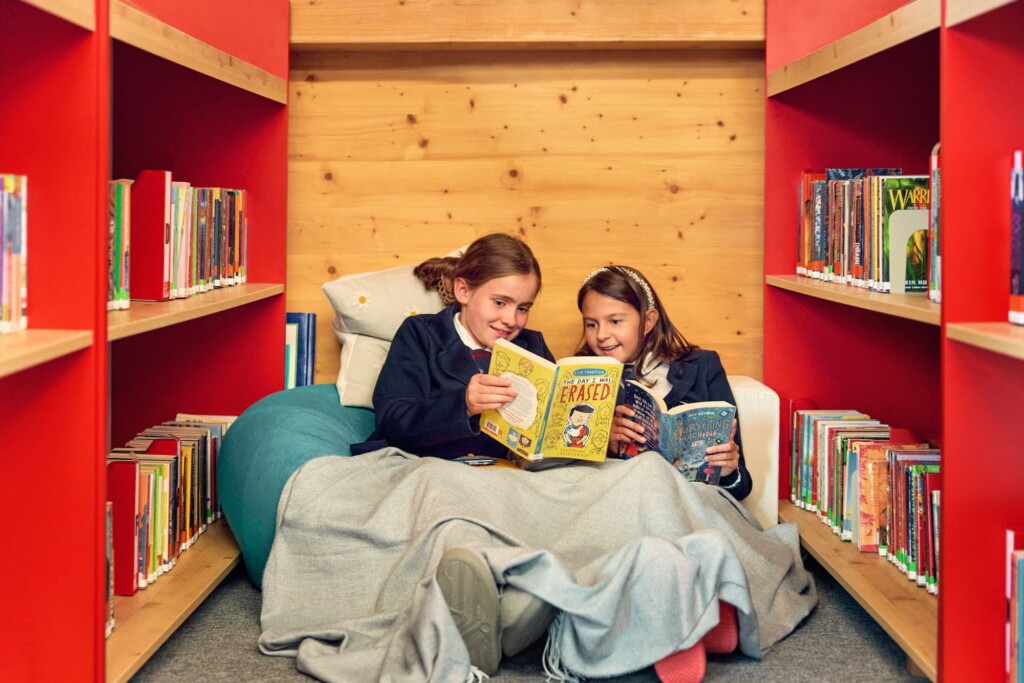
Primary school lays the groundwork for literacy and numeracy. Children learn to read fluently, express themselves clearly in writing and build a solid understanding of mathematical concepts. These core skills form the basis for all future academic learning and are developed progressively through engaging, structured lessons.
Social and Emotional Growth
Primary school is also where children learn how to be part of a community. They build friendships, practise empathy and begin to understand how to manage their emotions. Social and Emotional Learning, often referred to as SEL, is now widely recognised as essential. Skills such as self-regulation, resilience and collaboration are just as important as academic achievement. These abilities support success in school as well as long-term well-being. At La Garenne, PSHE, or Personal, Social, Health and Economic education, is embedded into the curriculum. This gives children regular opportunities to develop social awareness, reflect on their choices and discuss age-appropriate topics in a safe and supportive setting.
Inquiry-Based Learning and Curiosity
A strong primary education encourages children to ask questions and explore ideas. Inquiry-based learning allows students to investigate topics, solve problems and think independently, rather than simply receive information. This approach aligns with the work of Jerome Bruner, who argued that learning is most effective when students actively construct knowledge. By engaging with concepts through exploration, children develop deeper understanding and lasting curiosity.
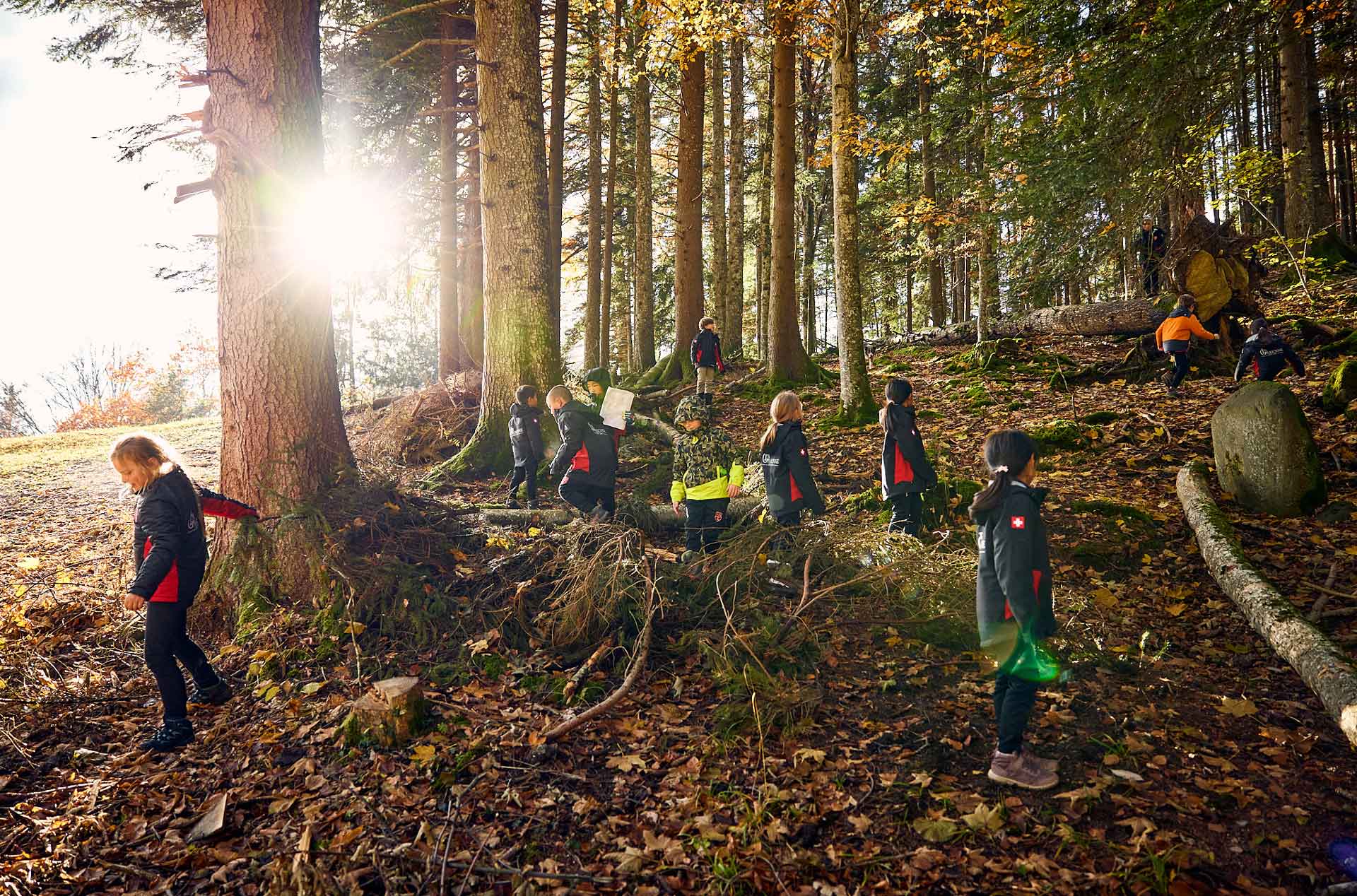
At La Garenne, this philosophy is brought to life through both indoor and outdoor experiences. A state-of-the-art science lab and robotics room give students the tools to experiment and innovate, while the Alpine environment provides opportunities for hands-on, real-world learning that makes education tangible and memorable.
Development of Study Habits
Primary school introduces children to structure and routine. They begin to learn how to organise their work, manage their time and take responsibility for their learning. These habits are essential for long-term success. Organisation, independence and self-discipline all support academic progress and personal confidence. At La Garenne, students are supported in the boarding house each evening with guided study time. This includes consolidating classroom learning, building vocabulary, developing mind maps and completing reading tasks in both English and French.
A Broad Range of Experiences
A well-rounded primary programme goes beyond academics to include sport, the arts, music and outdoor activities. This reflects the understanding that children learn and excel in different ways. At La Garenne, students are encouraged to discover and develop their talents. Opportunities include robotics, debating, baking, gardening, music, biking and a wide range of team and individual sports. Once a week, every child learns an instrument and works towards performing in end-of-term showcases.
This variety not only builds skills but also helps children gain confidence, resilience and a sense of achievement. Whether continuing an existing passion or discovering a new one, each child is supported to grow in their own way.
A Balanced and Child-Centered Approach
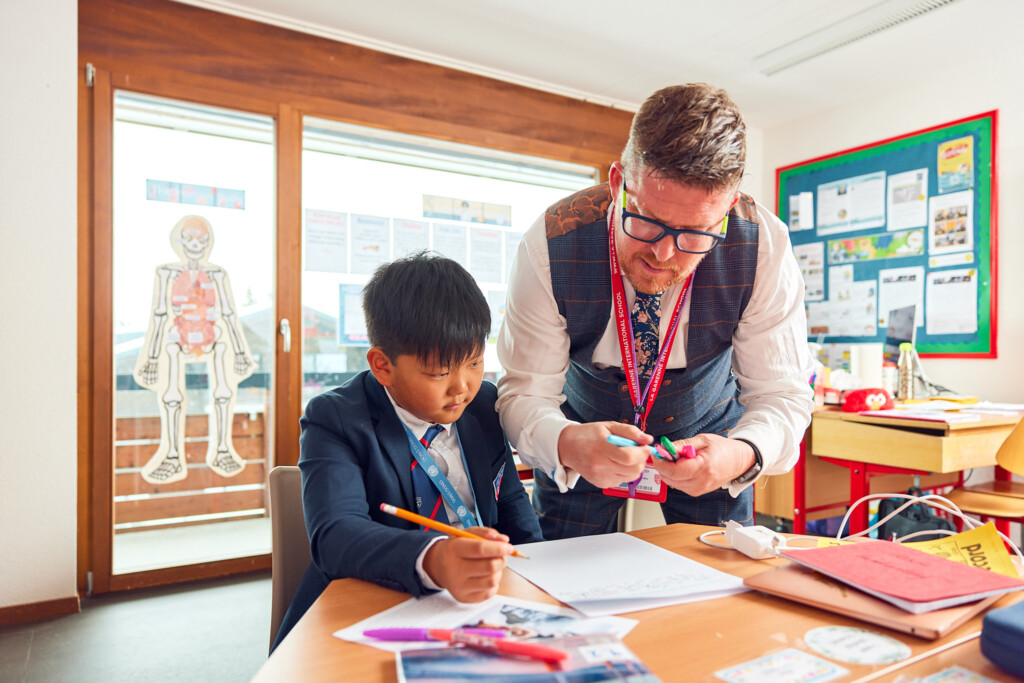
What sets La Garenne apart is its commitment to educating the whole child. Academic achievement is carefully balanced with personal development, well-being and global awareness. The curriculum combines core subjects such as English and Mathematics with science, humanities, arts and languages, ensuring a broad and engaging education. Learning is personalised so that each child’s strengths and needs are recognised, allowing them to progress with confidence.
The international environment plays an important role in shaping students’ perspectives. Children learn alongside peers from around the world, developing open-mindedness and intercultural understanding from an early age. At the same time, strong values such as respect, kindness and responsibility are woven into daily school life, helping to build character as well as knowledge. Outdoor and experiential learning are also key elements. The Alpine setting provides unique opportunities for activities such as skiing, hiking and exploration, encouraging resilience, teamwork and a connection to the natural world.
Preparing for the Future
Primary school is not simply preparation for secondary education; it is preparation for life. The skills developed during these formative years extend far beyond the classroom. Children who experience a strong primary education are more likely to approach challenges with confidence, communicate effectively, think critically and creatively, build positive relationships and develop a lifelong love of learning.
Educational research consistently shows that early experiences have a lasting impact. A supportive and stimulating primary environment influences not only academic outcomes but also emotional well-being and future success.
Conclusion
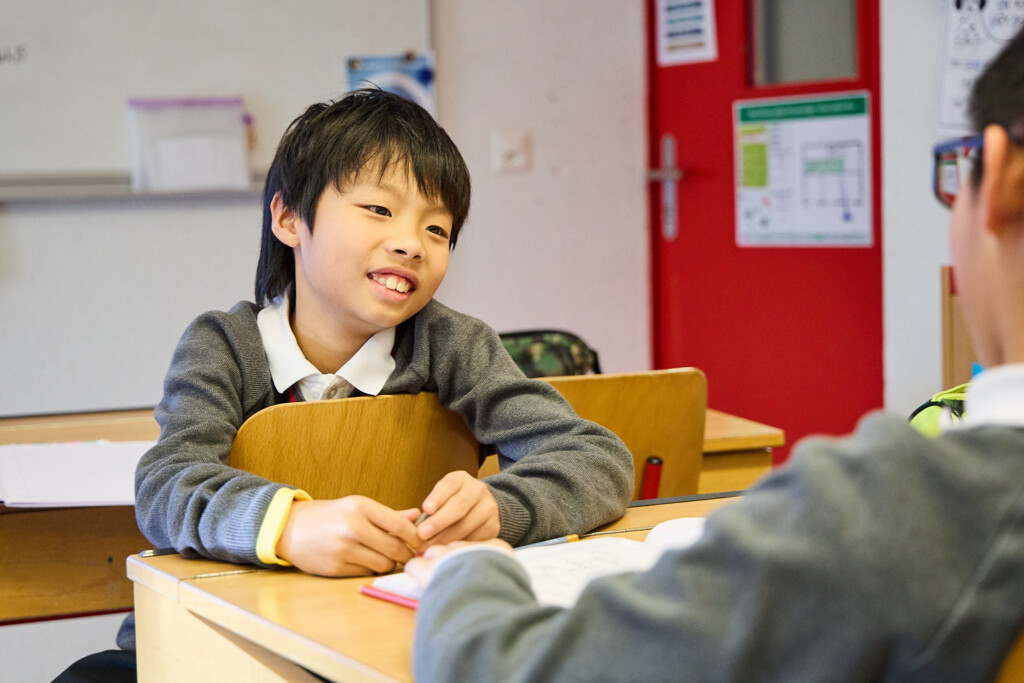
Primary school is a crucial stage in a child’s educational journey. It is where foundational skills are built, curiosity is nurtured and character begins to take shape. At La Garenne, these early years are enriched by a thoughtful and balanced approach that combines academic excellence with outdoor learning, personal development and international understanding. By focusing on each child as an individual, the school creates an environment where students thrive both academically and personally.
In the end, primary education is not just about learning facts. It is about learning how to think, how to grow and how to engage with the world. That is what makes these years so important, and why they leave a lasting impression on every child’s future.
Key Takeaways
- Primary school is crucial for development, fostering curiosity, confidence, and foundational skills.
- La Garenne emphasizes a balanced education, combining academics with personal growth and multicultural awareness.
- Students learn core subjects while developing social-emotional skills and inquiry-based thinking.
- The curriculum includes a variety of experiences, such as sports and the arts, to nurture diverse talents.
- A strong primary education prepares children for future challenges and instills a lifelong love of learning.