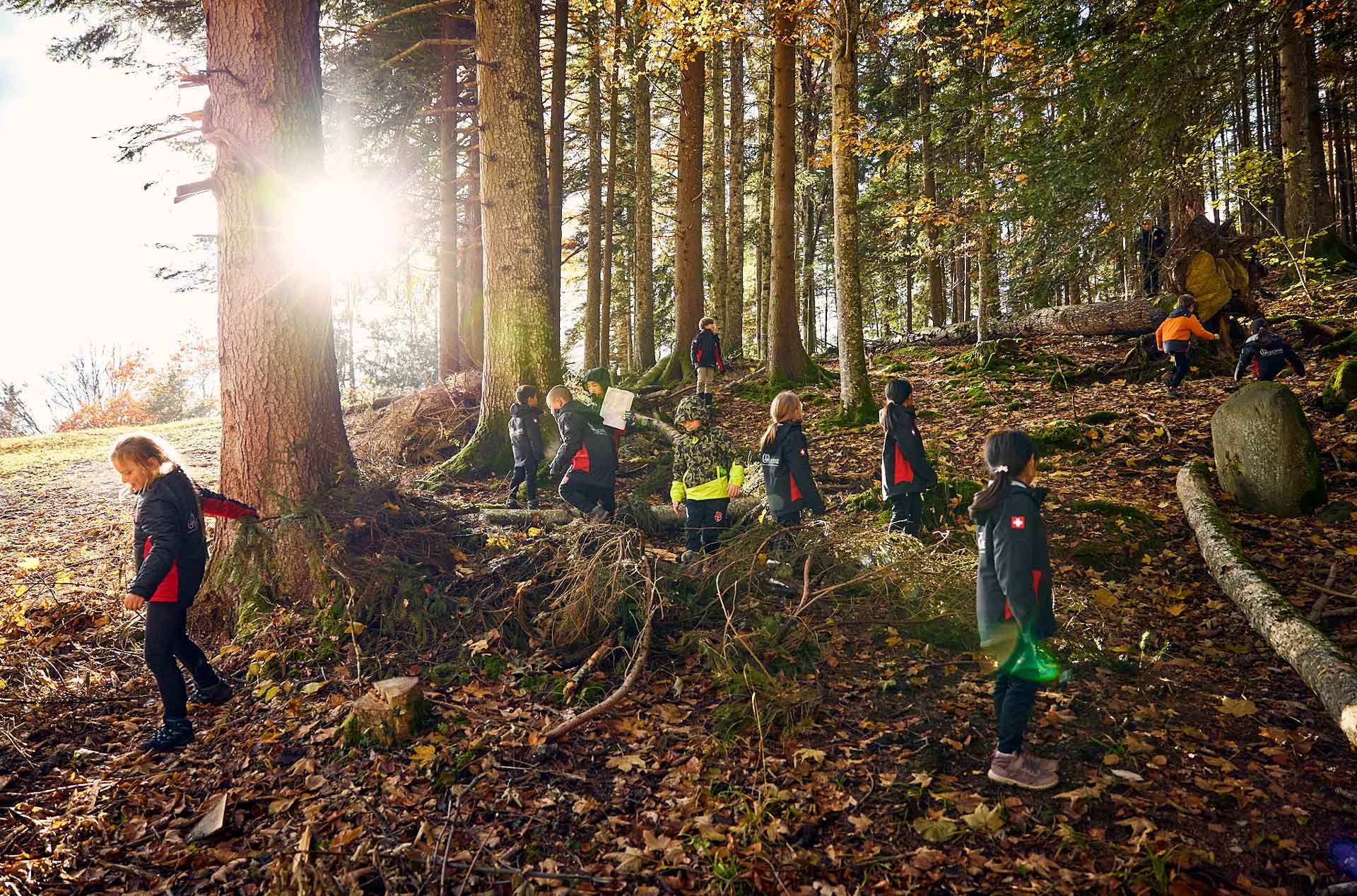

At La Garenne International School, individual learning is far more than a phrase in a brochure; it is the heartbeat of our educational philosophy. We believe that meaningful education begins by meeting the intellectual, emotional, physical, and social needs of every child, while continually adapting our curriculum and teaching strategies as they grow. Because learning is fluid, we recognise our responsibility to nurture young minds full of curiosity and potential. This means recognising that progress does not look the same for every student. Some children thrive when given additional challenges, while others benefit from extra reassurance, time, or a different explanation. By remaining flexible in our approach, we aim to create an environment where every child feels confident enough to explore, ask questions, and develop at their own pace.
Every student brings something unique to our community, whether through personality, talents, interests, or personal strengths. These individual qualities shape how children engage with the world around them and contribute to the richness of our school community. Taking the time to understand them allows teachers to build meaningful relationships with students and create learning experiences that feel both relevant and motivating.
Every Student, an Individual
This commitment to individualised learning has recently been commended by our accrediting bodies – CIS, NEASC, and the IBO – which recognised the strength of our teaching practices. As a Primary team, we pride ourselves on truly knowing our students. We look beyond academic data to understand what excites them, what causes them anxiety, how they prefer to learn, and who they aspire to become. This holistic approach is supported by recent longitudinal research, including the study by D’Souza et al. (2025), published in Scientific Reports, which highlights that early childhood experiences and the surrounding environment – including social and educational support – are critical predictors of long-term cognitive and emotional outcomes. By focusing on the whole child, we provide the environmental scaffolding needed to support brain development and future success.
Understanding the whole child also means recognising that academic progress can be influenced by friendships, confidence, wellbeing, and experiences outside school. When teachers consider these different aspects together, they are better equipped to provide the right encouragement and identify opportunities for growth. This creates a more balanced approach to education, where personal development and academic achievement are equally valued.
Teaching for Individual Progress
Our pedagogical approach is deeply rooted in the work of Lev Vygotsky (1978), particularly his concept of the Zone of Proximal Development (ZPD). Vygotsky’s research suggests that learning is most effective when teaching targets the space between what a child can do independently and what they can achieve with guidance. By maintaining a high teacher-to-student ratio, our educators can identify each child’s ZPD in real time and provide the support needed to help them move towards greater independence. In practice, this means that a task should offer enough challenge to encourage progress without becoming overwhelming. Teachers can gradually adjust the level of support as students develop confidence and master new skills. Over time, this approach encourages children to become more independent learners who are willing to persevere when faced with unfamiliar problems.
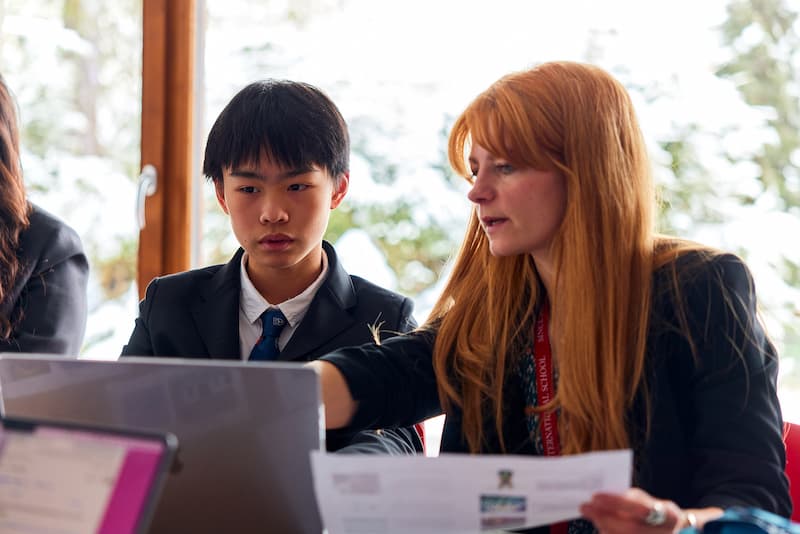
This is further strengthened by the tracking of progress through Individual Assessment Documents, reflecting John Hattie’s (2023) concept of Visible Learning, in which student progress is made explicit so teachers can adapt their impact immediately. Each child’s formative and summative data is updated regularly by their teachers. Interventions – whether short- or long-term – can be put in place at any point during the school year with the support of our learning support teacher. Regular monitoring also allows teachers to recognise smaller achievements that might otherwise go unnoticed. These milestones are particularly important because progress is not always reflected in a single assessment result. By reviewing each child’s development over time, we can celebrate improvements, identify emerging needs, and ensure that teaching continues to respond to their individual learning journey.
This may involve targeted assistance with fine motor skills, listening, or spelling, for example. Equally, our specialist runs a weekly Challenge Club to stretch the minds of students who enjoy complex problem-solving and collaborative discussion. These regular updates ensure that teachers and leaders have a clear picture of individual progress. While many schools primarily monitor the class as a whole, here every child is understood in detail. This individual attention helps ensure that support is responsive rather than simply reactive. Whether a student needs additional practice with a particular skill or is ready to explore a more advanced challenge, teachers can adapt their approach accordingly. It also encourages children to recognise their own strengths and understand that everyone develops different skills at different stages.
The roadmap to success begins with a rigorous yet supportive process. This includes comprehensive Student Profiles created through one-to-one meetings with the Head of Section or class teachers; valuable moments in which we sit with each child to talk, listen, and understand who they are. We also use cognitive assessments, such as Lucid COPS and LASS, conducted by our qualified learning support teachers. These conversations and assessments help us build a more complete picture of each student’s learning profile before making decisions about their educational needs. Just as importantly, they give children an opportunity to express their interests, share any concerns, and feel actively involved in their own development. Establishing this understanding early provides a valuable foundation for a positive relationship between students, teachers, and families.
We believe that academic success is inseparable from emotional wellbeing, and so we integrate planned wellbeing days, continuous check-ins, and a manageable timetable with adjusted breaks and access to a calm room. Daily communication between boarding parents, the academic team, and families ensures that we remain responsive to every child’s evolving needs. A child who feels safe, understood, and supported is often better placed to participate confidently in learning. For this reason, we see emotional wellbeing as an essential part of the educational experience rather than something separate from academic life. Small moments of encouragement, regular conversations, and opportunities to pause can make a meaningful difference to how students approach their day.
In our classrooms, we use strategies championed by Carol Ann Tomlinson (2017) to empower students to take ownership of their learning journey. We employ visual supports, pre-teach key vocabulary, and use working walls to strengthen linguistic development. Resources are clearly labelled and easily accessible to encourage independence, while bespoke timetables integrate academic lessons, private tuition, and after-school clubs. These strategies allow students to engage with learning in different ways while gradually developing greater responsibility for their own progress. Clear classroom routines and accessible resources also help children feel more confident when working independently. By combining structure with flexibility, teachers can create an environment where students understand what is expected of them and feel comfortable asking for guidance when needed.
By adapting the school day for children who wish to develop specific talents – such as skiing, dance, or ice hockey – we actively support and celebrate each child’s individual passions. It is always wonderful when a child arrives with, or develops, a genuine passion for a pursuit, and we do everything possible to ensure that talent continues to flourish. Encouraging these interests can have a positive influence on a child’s confidence, motivation, and sense of identity. Whether a student is passionate about sport, the performing arts, or another activity, having their ambitions recognised helps them feel valued as an individual. It also teaches them the importance of commitment, time management, and balancing different responsibilities as they grow.
Giving Students Ownership of Their Learning
We also provide early and regular feedback through settling-in reports and scheduled updates in October, December, March, and June. Because discussion and listening are central to our community, our doors are always open to both parents and students. Giving students the opportunity to share their voice is vital. They are invited to provide regular feedback about their classroom experiences, what helps them learn most effectively, and whether they feel supported. Open communication helps create a shared understanding of each child’s progress and ensures that concerns or achievements can be discussed as they arise. It also strengthens the partnership between school and home, allowing families to feel closely involved in their child’s educational journey. When students know that their opinions are listened to, they are more likely to develop confidence in expressing their needs and taking ownership of their learning.
We also involve them in wider decisions, from developing the school playground and choosing snacks to suggesting new after-school clubs, ensuring they feel like a valued and essential part of the community. These opportunities help children understand that their ideas can have a genuine impact on the environment around them. Being involved in everyday decisions encourages responsibility, collaboration, and a sense of belonging. It also shows students that their perspectives are important, regardless of their age or academic ability.
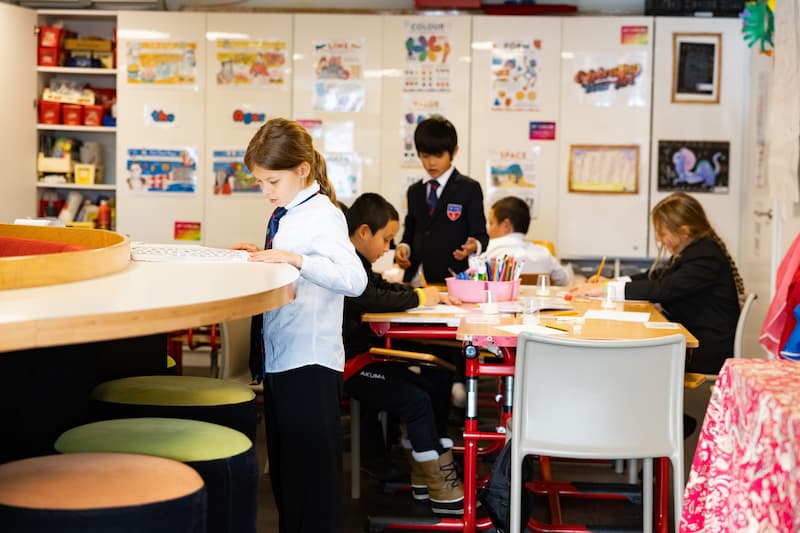
Our small class sizes allow experienced teachers to create a genuinely differentiated learning environment where feedback is a two-way process. This is particularly evident in our language programmes. From Year 3 onwards, students have the opportunity to take Cambridge and DELF assessments to establish a benchmark. Through weekly levelled lessons, students work towards recognised certifications such as Starters, Movers, Flyers, KET, or PET, progressing through qualification levels year by year. This gradual progression allows students to build confidence while working towards achievable goals. Recognising individual starting points is especially important in an international school community, where children may arrive with very different language experiences. By providing appropriate challenges and celebrating each stage of progress, teachers can help students develop both their communication skills and their enthusiasm for learning languages. This structured pathway ensures that every child, whatever their starting level in English or French, receives the targeted instruction they need to succeed.
Ultimately, because our staff-to-student ratio is so high, individual care extends far beyond the classroom. Whether during playtime, transitions, or in the boarding house, our team knows our students deeply. This allows us to intervene quickly if a child is struggling and to celebrate their personal achievements the moment they happen. At La Garenne, we do not simply teach a class; we teach the individual. At the heart of this philosophy is the belief that every child deserves to be recognised for who they are and supported in becoming who they aspire to be. Through personalised teaching, meaningful relationships, and a strong sense of community, we aim to give each student the confidence, independence, and curiosity to continue learning throughout their life.
Key Takeaways
- La Garenne International School focuses on individual learning, meeting students’ intellectual, emotional, physical, and social needs.
- The school employs a holistic educational approach, using concepts from Vygotsky’s Zone of Proximal Development to tailor teaching strategies.
- Regular assessments and Individual Assessment Documents help track each student’s progress and inform timely interventions.
- The school emphasizes the importance of student voice, encouraging feedback and involvement in school decisions.
- Small class sizes enable personalized attention, fostering a differentiated learning environment tailored to each child’s unique strengths.