
and Never, Never, Never Giving Up!
In the fast-paced society our students are growing up in, one of the greatest keys to success is balance: balance between working hard to achieve academic goals and having time to develop socially, discover personal passions, and understand the importance of rest and relaxation. Finding this balance is not always easy, particularly during the school years when students are discovering their interests and learning to manage increasing responsibilities. By creating opportunities for both achievement and enjoyment, we can help young people develop healthy habits that will continue to benefit them long after they leave school.
Why Wellbeing Matters in Education
Today’s students are more likely than previous generations to experience challenges relating to mental health and wellbeing, with an estimated one in seven (14.3%) of 10–19-year-olds living with a mental health condition. The reasons for this are difficult to capture fully in statistics, as there are many influences that may positively or negatively affect a young person’s mental health. This reminds us that wellbeing is a deeply individual experience and that every student may respond differently to the pressures of growing up. Schools therefore have an important role to play in creating an environment where young people feel supported, understood, and comfortable seeking guidance when they need it.
Common experiences such as bereavement, family separation, academic pressure, and relationship difficulties can all contribute to poor mental health. There is also growing evidence to suggest that a lack of connection with the natural world may affect young people’s wellbeing. While there is often little we can do as educators to shield students from life’s challenges, we can help equip them with the tools to maintain good mental health and to learn through experience. Helping students develop resilience does not mean expecting them to overcome every difficulty independently. It means giving them the confidence to ask for help, recognise their emotions, and develop strategies for navigating challenging situations. Positive relationships with teachers, friends, and family members can provide an important foundation for this process.
One of the key aims of a well-rounded education, particularly in a boarding environment where the school is responsible for students both in and out of lesson time, is to ensure that young people are healthy and happy. The World Health Organization defines health as “a complete state of physical, mental and social wellbeing, and not merely the absence of disease or infirmity.” Frankish et al. describe health more broadly as “the capacity of people to adapt to, respond to, or control life’s challenges and changes.” The ability to demonstrate both physical and mental resilience is a strength that can have a profound influence on a young person’s ability to navigate the world around them, and it is one that must be developed through experience. Resilience is not simply about continuing when something becomes difficult; it is also about understanding when to rest, when to seek support, and how to adapt to changing circumstances. Encouraging this awareness from an early age helps students build a healthier relationship with challenges and recognise that personal growth takes many different forms.

Learning Through Challenge
The school motto, “Be Happy and Never, Never, Never Give Up,” embodies this commitment to developing the whole child beyond the classroom by bringing fun and enjoyment into all aspects of learning. Crucially, embracing this motto means recognising that there is more than one kind of fun. A useful way to think about this is in three categories:
Type 1 Fun: fun in the moment: enjoyable tasks or activities that are pleasant at the time and rewarding to remember.
Type 2 Fun: fun afterwards: activities that feel hard or unpleasant in the moment, but bring a sense of achievement or fulfilment once completed.
Type 3 Fun: not enjoyable at the time, and not especially enjoyable afterwards, but memorable enough to make a great story.
These different experiences remind us that enjoyment and personal development do not always happen at the same time. Sometimes the most rewarding memories come from moments that initially required courage, patience, or determination. Understanding this distinction can help students approach unfamiliar activities with greater confidence and curiosity. Through carefully planned opportunities, students can experience all three types of fun, allowing them to challenge themselves, succeed and fail, learn from their experiences, and apply those lessons later in life. They learn that challenge is essential for personal growth, and that supporting one another and making safe choices are valuable life skills. Whether students are trying a new sport, participating in a group activity, or overcoming a personal challenge, they are learning to manage uncertainty and celebrate progress. These experiences also encourage them to appreciate the efforts of others and understand that achievement is not always measured by winning or reaching a particular result.

Wellbeing Beyond the Classroom
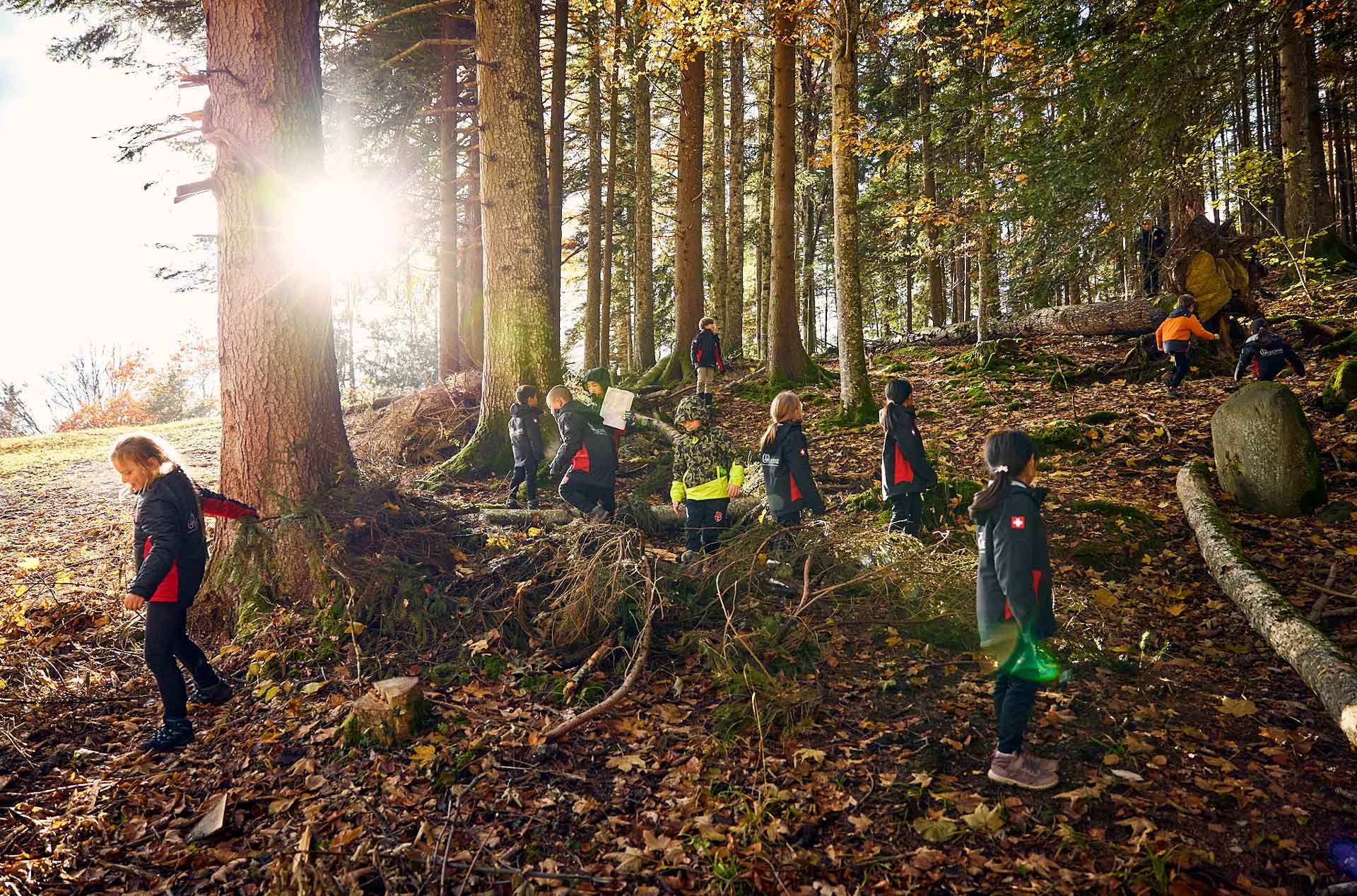
Living in Villars-sur-Ollon offers exactly this kind of real-world learning just beyond the school gates. Students are encouraged to walk, ski, and play sports regularly. The school calendar begins on the first weekend of the September term with a walk for all students and staff from the top of the mountain back down to school, giving students the opportunity to appreciate the views while talking with peers and teachers. Shared outdoor experiences such as these provide valuable opportunities for students to connect outside the usual classroom setting. Conversations often develop naturally when young people are walking together, enjoying the scenery, or encouraging one another along the way. These moments can strengthen friendships and help students feel part of a supportive school community. It is also an excellent way to demonstrate the benefits of regular physical activity, which has been shown to support brain development, mood regulation, and cognitive function. Regular movement also offers students a welcome opportunity to step away from academic demands and focus on the present moment. Spending time outdoors can encourage a sense of calm, while physical challenges provide opportunities to develop confidence and perseverance. Establishing an enjoyable relationship with exercise during childhood can help students make positive choices as they grow older.
This balance between classroom learning and physical wellbeing continues throughout the year, with initiatives such as the Winter Challenge, house events, and sports academy programmes reinforcing the idea that human health and wellbeing are strengthened through meaningful connections between people and place. The variety of these experiences is particularly important because students do not all find enjoyment or motivation in the same activities. Offering different opportunities allows young people to discover what inspires them, whether that involves teamwork, competition, exploration, or simply spending time with friends. This helps make wellbeing an ongoing part of school life rather than an occasional event.
By encouraging pupils to find purpose in the time they spend both in and out of lessons, we help them recognise a positive impact on their own mental health, as progress towards meaningful goals is central to many theories of wellbeing. A sense of purpose can emerge through small everyday achievements as well as ambitious long-term goals. Learning a new skill, contributing to a team, or making progress in a challenging subject can all help students recognise their abilities. By encouraging young people to reflect on these experiences, we support them in developing a stronger understanding of what brings them satisfaction and motivation.
This commitment to personal growth and development is fully embraced by the staff body. From medal-winning white-water rafters and casual paragliders to ultra-marathon runners and lifelong learners engaged in educational research, our staff model the value of purpose and the pursuit of fun throughout each student’s time at La Garenne. These varied interests demonstrate that personal development does not end when formal education is complete. When students see adults continuing to learn, explore, and challenge themselves, they are reminded that curiosity and enthusiasm are qualities worth maintaining throughout life. Staff members also show that pursuing individual passions can contribute to a balanced and fulfilling lifestyle. They show that life is a journey to be enjoyed, that saying yes to new experiences can lead to genuine personal growth, and that you are never too old to “Be Happy and Never, Never, Never Give Up.”
At its heart, this philosophy encourages students to approach life with optimism while understanding that meaningful achievements often require patience and determination. By combining academic ambition with opportunities for enjoyment, connection, and personal growth, we aim to help young people develop the confidence to embrace challenges and appreciate the journey along the way.
Key Takeaways
- Achieving balance between academic goals and personal development is crucial for students’ wellbeing.
- Students face mental health challenges; schools must create supportive environments for them.
- Experiences with challenge, both enjoyable and uncomfortable, contribute to personal growth and resilience.
- Engaging in outdoor and physical activities fosters connections and improves mental health.
- Teachers model lifelong learning, demonstrating the importance of curiosity and pursuit of happiness.